






What to Put on Your Wedding Website: The Complete Checklist
Teilen
A wedding website is where your guests go for every answer: when to arrive, what to wear, where to stay and how to RSVP. A good one saves you dozens of messages in the weeks before your wedding. A great one also feels like the first taste of your day.
Here is everything worth including, in the order your guests will look for it, plus a few things to leave off.
1. Your names, date and a warm welcome
The first screen should tell guests instantly whose wedding this is and when it is. Add a short welcome message, one or two sentences, in your own voice. Something as simple as "We can't wait to celebrate with you" sets the tone.
2. Your story
Guests love reading how you met, especially the ones who only know one of you. Keep it short: how you met, a favorite memory and the proposal. A few photos make this the most-read section of the whole site.
3. Ceremony and reception details
This is the information guests check most, so make it impossible to miss:
- Start times for the ceremony and reception (and what time to arrive)
- Venue names and full addresses
- A map link for each location
- Parking or transport between venues, if needed
4. The schedule
A simple timeline helps guests plan their day: ceremony, cocktail hour, dinner, first dance, last song. If you are having a welcome dinner, a mehndi, a henna night, a brunch or any other event, list each one with its own date, time and place. For destination and multi-day weddings, a day-by-day itinerary is essential.
5. RSVP
Make replying as easy as possible. Include a clear RSVP button and a deadline, and ask for everything you need in one go:
- Attending or not
- Number of guests, and whether a plus-one is invited
- Meal choice and dietary requirements
- Which events they will attend, for multi-day weddings
6. Travel and accommodation
For guests coming from out of town, this section is a lifesaver. Add the nearest airport, how to get to the venue, and a few hotels at different budgets. If you have reserved a block of rooms, include the booking link and the date the rate ends.
7. Dress code
"Formal" means different things to different people, so be specific. Say what the dress code is, add a line on what it means for your wedding, and mention anything practical, like a garden ceremony on grass or an outdoor evening that gets cold. If you have a color palette you would love guests to wear (or avoid), this is the place to share it.
8. Gifts and registry
Guests will look for this, so it is kinder to tell them. Link your registry, or explain your wishes in a sentence, for example a honeymoon fund or "your presence is the only gift we need".
9. FAQ
A short FAQ answers the questions you would otherwise get by message. The most common ones:
- Are children invited?
- Can I bring a plus-one?
- Is the ceremony indoors or outdoors?
- Is it an unplugged ceremony (no phones)?
- Is there parking at the venue?
- Who do I contact with questions?
10. A countdown and your song
These are the finishing touches that make guests smile. A live countdown builds excitement every time someone opens the link, and your song playing in the background makes the website feel like an invitation rather than a page of information.
What to leave off
Your wedding website is shared by link, and links get forwarded. Keep it to what guests need. Leave off your home address, personal phone numbers you do not want shared widely, and anything you would not want a stranger to read. If some events are for a smaller group, share those details privately instead of on the website.
Tips that make a real difference
- Design for phones first. Almost every guest will open your website on their phone, often straight from a message.
- Write in your guests' language. If your families speak different languages, a website in more than one language makes everyone feel welcome.
- Share it early. Send the link with your save-the-dates or invitations, and send a reminder before the RSVP deadline.
- Keep it updated. If a time or venue changes, update the website first, then let guests know.
Your wedding website checklist
- Names, date and welcome message
- Your story and a few photos
- Ceremony and reception times, addresses and maps
- Schedule for the day (and every event, for multi-day weddings)
- RSVP button and deadline
- Travel and accommodation
- Dress code
- Registry or gift wishes
- FAQ
- Countdown and your song
Ready to make yours?
Every MJ Lumora wedding website is designed with these sections in mind, from RSVP and countdown to schedule and travel details, and made for phones.
- Prefer to do it yourself? Browse our Canva wedding website templates, ready to edit the moment you check out.
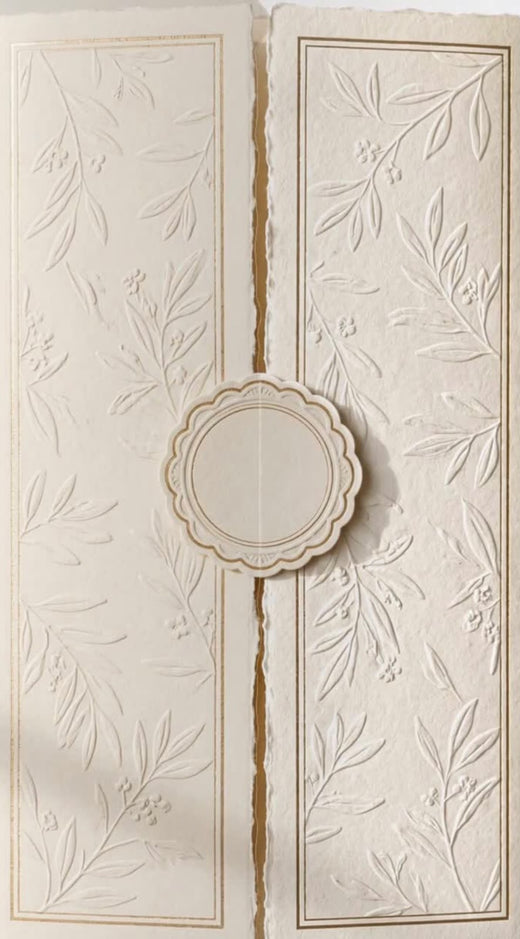
- Want an invitation guests open with a tap? Explore our animated wedding invitation websites, made for you in any language and delivered in 5–7 working days. The Ivory Gatefold is especially lovely for destination and multi-day weddings.
Or see all our wedding websites.